The Biggest Changes to the HR/Background Screening Industries in 2025
As 2025 comes to a close and I reflect on the year, I keep coming back to one thought: hiring has changed more in the last 12 months than it has in the last decade. From AI-powered screening to the real consequences of deepfake credentials, this year forced employers to rethink what “trust” looks like in the hiring process.
As a pioneer in the background screening industry, it is staggering to see the changes AI has brought to the HR and background screening industries.There has been so much change that it is likely (at least in some ways) this blog will be obsolete by the end of 2026.
Here are some of the biggest shifts in the HR and Background Screening industry I saw in 2025
AI in hiring grew up…and got guardrails
Yes, AI and automation in recruiting and background checks have been “trends” for a few years, but 2025 is when they really moved from pilot to production and straight into the regulator’s spotlight.
Background screening providers are cautiously using AI and automation to speed up data collection, spot patterns in large data sets, and reduce human error in check. At the same time, HR teams are leaning on AI for sourcing, screening, and skills-matching, with 2025 HR tech trend reports calling out AI-powered recruitment and skills-based talent strategies as mainstream, not experimental.

But there’s a catch: AI can’t be a black box anymore. You can’t talk about background screening in 2025 without talking about AI and accountability.
Privacy, security, and compliance got more complicated
While AI was grabbing headlines, the compliance landscape quietly got tougher too. Employers were reminded that pay transparency, privacy rules, background-check laws, and AI regulations still apply even for seasonal or high-volume hiring.

In Canada and other jurisdictions, HR teams had to juggle data privacy and security standards like PIPEDA (Personal Information Protection and Electronic Documents Act), SOC 2 (System and Organization Control2), and GDPR (General Data Protection Regulation),especially when using cloud-based screening platforms and cross-border data flows.
Bottom line: Faster hiring is still the goal,but not at the expense of privacy, security, and proper consent.
Social media and digital behaviour became “normal” due diligence
If 2023 to 2024 were the years social media checks went from “nice to have” to “common,” 2025 is when they became a standard part of many organizations’ risk toolkit.
Research shows the majority of hiring managers now use social media to evaluate candidates, and many have rejected applicants based on what they’ve seen online Screening providers increasingly treat “digital behaviour screening” as a way to fill gaps left by traditional checks such as identifying red flags like hate speech or harassment.
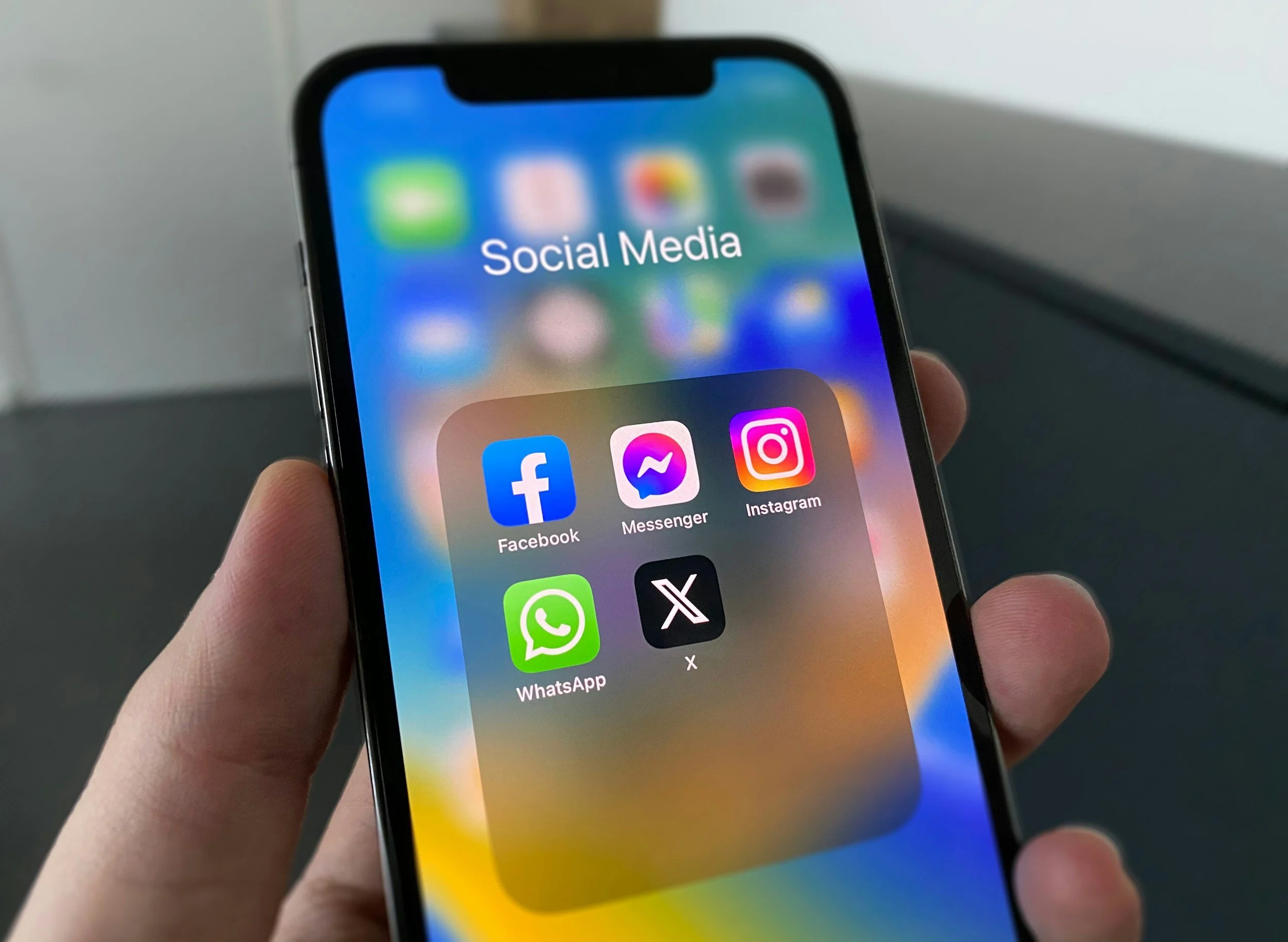
Governments are catching up as well. New U.S. rules requiring H-1B visa applicants and dependents to make social profiles public for review highlight how social media has become a normalized element of risk assessment, far beyond regular hiring.
Bottom line: Digital footprints are now part of the background picture, but they must be reviewed with strict, bias-aware policies and clear boundaries.
From one-and-done checks to continuous trust
Another big 2025 shift was the move away from treating background checks as a single event at time-of-hire. Instead, we’re seeing:
Continuous or periodic workforce monitoring (especially in regulated or high-risk roles)
Verifiable digital credentials are replacing paper-heavy verification processes
There is greater demand for data integration and interoperability between HRIS (Human Resources Information System), ATS (Applicant Tracking System), and screening platforms.
This sense of urgency is fueled partly by identity fraud concerns and remote workers. As well, the need to hire quickly. The best candidates are often off the market quickly so we feel a sense of urgency to hire someone.

Bottom line: The question is shifting from “Did we screen this person when we hired them?” to “Do we have ongoing confidence in who they are and the access they have?”
So what now?
If you’re in HR or talent acquisition, 2025 has been a wake-up call. To stay ahead in 2026, smart organizations will:
Audit their tech stack to understand exactly where AI is being used in hiring and screening and whether it’s explainable, monitored, and documented.
Tighten their policies on privacy, consent, retention, and how social media/digital behaviour checks are conducted.
Invest in identity and data integrity, not just speed. They will embrace verifiable credentials, high-assurance ID checks, and better system integrations.
2025 proved that background screening isn’t just about checking boxes – it’s about building trust in every hire. The organizations that come out on top in 2026 will be the ones that combine technology, compliance, and human judgment into a single, thoughtful background screening strategy.
If your organization is looking to strengthen its hiring practices, ensure compliance, and protect its reputation, my team and I are here to help. Britton Management Profiles, Inc is Canada’s first background screening company with more than 50 years of industry leadership. We provide comprehensive, ethical, and fully compliant social media checks and background screening solutions that will help us all to navigate the complexities of hiring in the digital age.